
The Future of Telehealth Counseling: Adapting to Trends and Innovations
In recent years, telehealth counseling has emerged as a groundbreaking field, reshaping how mental health services are delivered. As technology continues to evolve, so does the potential for telehealth to offer more accessible and diverse services.

Advancements in Technology
One of the most significant drivers of telehealth counseling's future is technological advancement. From improved video conferencing tools to AI-powered chatbots, these innovations ensure more efficient and personalized care. Counselors can now reach clients in remote locations with just a click, breaking down geographical barriers.
Moreover, virtual reality (VR) is beginning to play a role in therapy sessions, offering immersive experiences for clients dealing with anxiety or PTSD. By simulating environments in a controlled setting, VR can be a powerful tool in a counselor’s toolkit.
Personalization and AI
Artificial Intelligence is rapidly enhancing the personalization of telehealth services. By analyzing data from client interactions, AI can help tailor therapy sessions to meet individual needs. This means clients receive more focused care, which can lead to better outcomes.
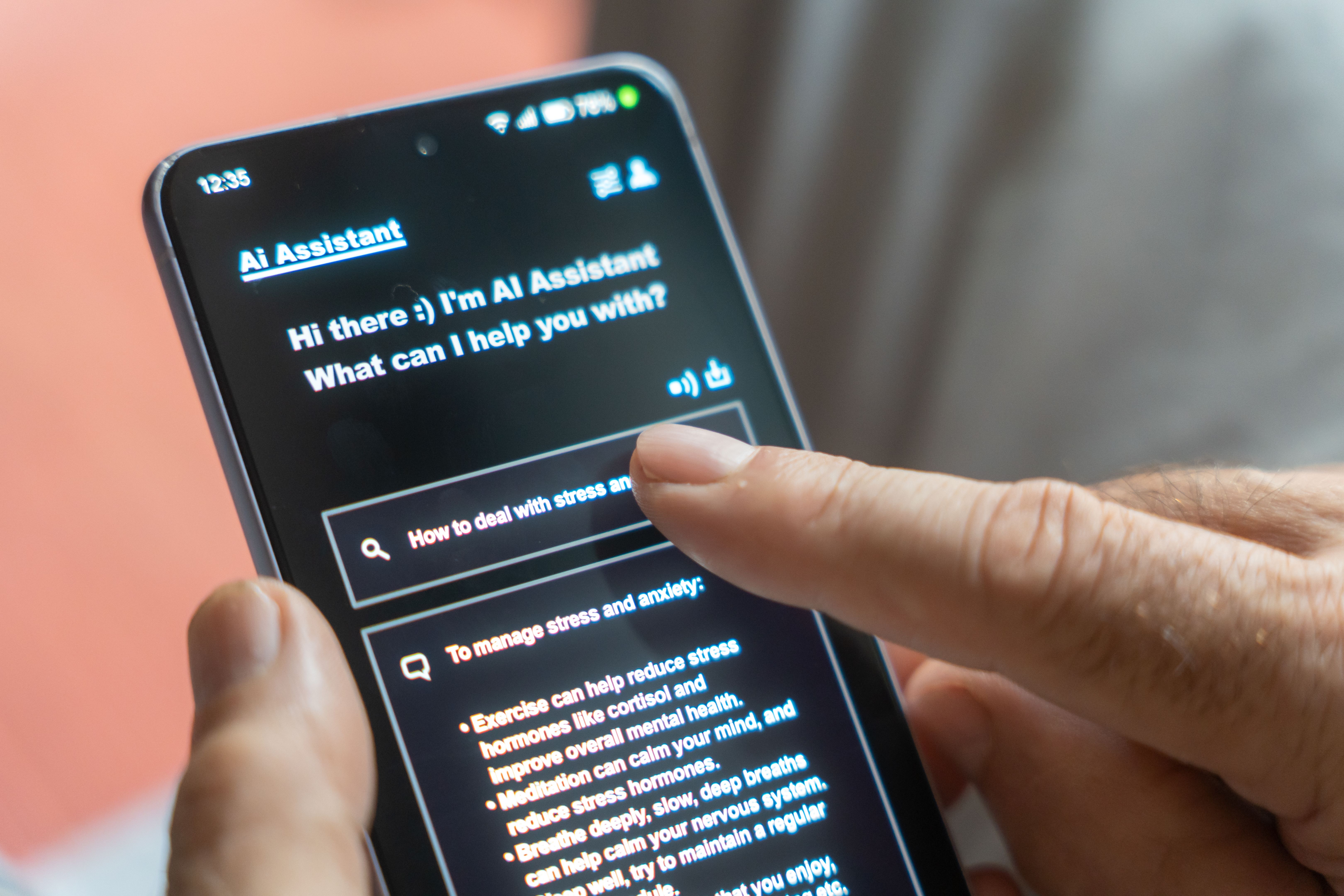
AI-powered platforms can also assist counselors by providing insights and suggesting interventions based on historical data. This symbiotic relationship between AI and human expertise ensures that therapy remains both effective and empathetic.
Regulatory and Ethical Considerations
As telehealth counseling expands, regulatory and ethical considerations become paramount. Ensuring client privacy and data security is critical. Governments and organizations are working on frameworks to protect sensitive information while allowing for the flexibility telehealth requires.
Ethical guidelines are also evolving to address the unique challenges posed by virtual counseling. This includes ensuring fair access to technology and maintaining professional standards across digital platforms.

Increased Accessibility
One of the most significant benefits of telehealth counseling is its ability to reach underserved populations. Individuals in rural or underserved urban areas can access mental health services without the need for extensive travel. This increased accessibility is crucial in bridging the gap between demand and available resources.
Moreover, telehealth can accommodate those with physical disabilities or mobility issues, providing a level of convenience that traditional in-office visits might not offer. As internet connectivity improves worldwide, this accessibility will only continue to grow.
The Role of Wearable Technology
Wearable technology is adding another layer of innovation to telehealth counseling. Devices that track heart rate, sleep patterns, and stress levels can provide valuable data to counselors, helping them understand their clients better. This real-time data can inform treatment plans and monitor progress more accurately.

As these technologies become more sophisticated, they offer the potential to alert both clients and therapists to potential issues before they escalate, making preventive care a more significant aspect of mental health services.
Conclusion
The future of telehealth counseling is bright, driven by technological innovations and a growing understanding of mental health. As these trends continue to develop, telehealth will likely become an integral part of mental health care, offering services that are not only more accessible but also more personalized and effective.
By staying informed and adaptable, counselors and organizations can ensure they are at the forefront of this exciting evolution, providing high-quality care to those who need it most.