
Supporting Kids with Back-to-School Anxiety: Tips for Parents
Understanding Back-to-School Anxiety
As summer winds down, many children face the back-to-school transition with a mixture of excitement and anxiety. This anxiety can stem from a variety of sources, including fear of the unknown, changes in routine, or social pressures. Understanding these concerns is the first step in supporting your child through this period.
Recognizing the signs of anxiety is crucial. These may include changes in behavior, such as irritability, trouble sleeping, or physical symptoms like stomachaches. Early identification helps in addressing these issues effectively.

Creating a Supportive Environment
Establish Routines
One of the most effective ways to ease back-to-school anxiety is by establishing a consistent daily routine. This predictability can provide a sense of security and control for your child. Start by setting regular bedtimes, meal times, and homework schedules a few weeks before school begins.
Open Communication
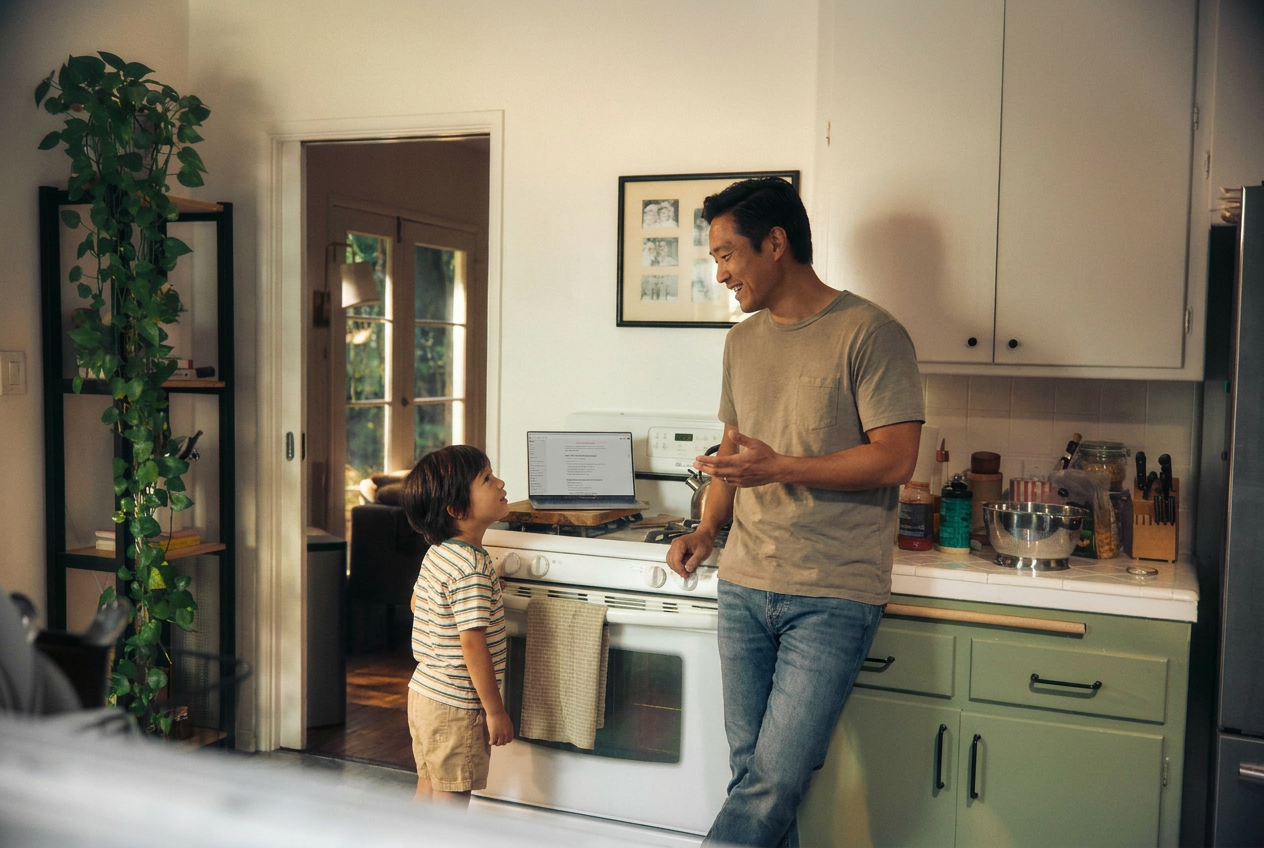
Encourage open dialogue with your child about their feelings. Let them know it's okay to express their worries and that you're there to listen. Sometimes, just knowing they have support can alleviate much of their anxiety.
Practical Strategies for Reducing Anxiety
Visit the School
If possible, arrange a visit to the school before the first day. Familiarizing or reacclimating your child with the environment can help diminish fear of the unknown. Walking through the building, meeting new teachers, or finding their classrooms can make the first day less daunting.
Role-Playing Scenarios
Role-playing common school situations, such as meeting new classmates or dealing with challenging scenarios, can prepare your child for real-life interactions. This practice can build confidence and reduce anxiety.
Encouraging Social Connections
Encourage your child to connect with peers before school starts. Setting up playdates or joining school activities can help them feel more comfortable and less isolated. Building these relationships can ease the transition back to school.
Additionally, remind your child that they're not alone in feeling anxious. Many of their classmates are likely experiencing similar feelings, which can be reassuring.

Seeking Professional Help
If your child's anxiety seems overwhelming or persistent, it may be helpful to seek professional guidance. School counselors or child psychologists can provide strategies and support tailored to your child's needs.
Remember, addressing back-to-school anxiety is a process. With patience, understanding, and proactive steps, you can help your child navigate this transition smoothly.