Seasonal Mental Health: Preparing for Winter with Greene Life Counseling
Understanding Seasonal Affective Disorder
As the days grow shorter and temperatures drop, many individuals experience changes in mood and energy levels. This phenomenon, known as Seasonal Affective Disorder (SAD), can have a significant impact on one's mental health. At Greene Life Counseling, we understand the importance of preparing for these seasonal shifts to maintain well-being.
SAD is a type of depression that typically occurs during the fall and winter months. Symptoms may include feelings of depression, low energy, sleep disturbances, and difficulty concentrating. Recognizing these signs early can help in managing them effectively.

Strategies for Managing Seasonal Changes
Embrace Light Therapy
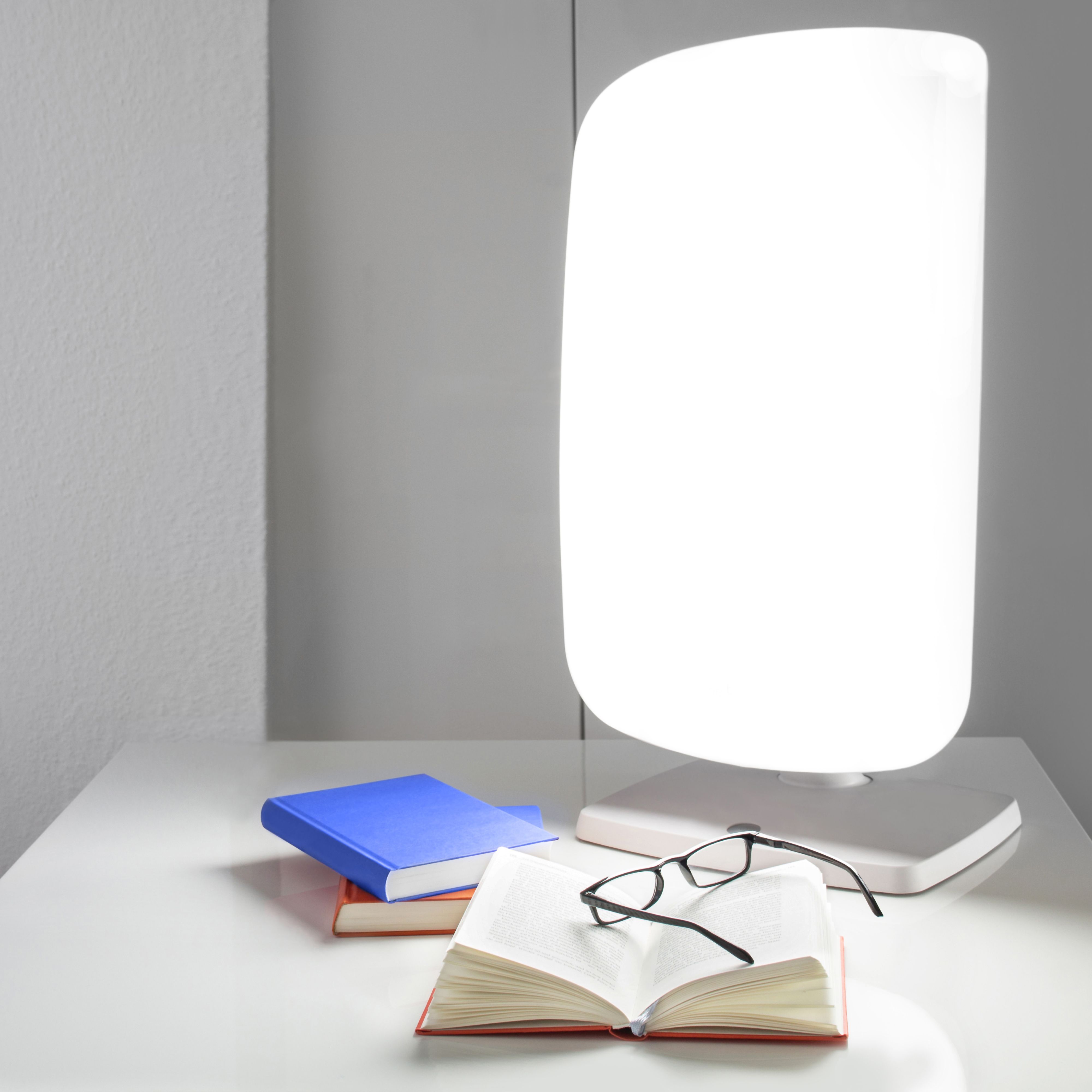
One effective way to combat the effects of SAD is through light therapy. Exposure to bright light can help regulate your body’s internal clock and improve mood. Consider investing in a light therapy box and using it daily during the darker months.
In addition to light therapy, try to maximize natural sunlight exposure by spending time outdoors or sitting near windows. Simple changes in your daily routine can make a significant difference.
Maintain a Balanced Diet
Eating a well-balanced diet rich in vitamins and nutrients is crucial for mental health. Incorporate foods high in omega-3 fatty acids, such as fish and walnuts, and ensure adequate intake of vitamins D and B. These nutrients can help alleviate symptoms of depression.
Additionally, staying hydrated and reducing caffeine and sugar intake can aid in maintaining stable energy levels throughout the day.
Exercise and Social Connections
Stay Active
Regular physical activity is a powerful tool in managing depression and anxiety. Exercise releases endorphins, which can boost mood and reduce stress. Aim for at least 30 minutes of moderate exercise most days of the week.
- Consider activities such as walking, yoga, or indoor cycling.
- Join a local gym or fitness class to stay motivated.

Foster Social Interactions
Social connections play a vital role in mental well-being. Make an effort to stay connected with friends and family, whether through in-person gatherings or virtual meetups. Sharing experiences and feelings with others can provide support and understanding.
Participating in community events or volunteering can also increase social interactions and provide a sense of purpose.
Seeking Professional Support
If you find that seasonal changes significantly impact your mental health, seeking professional support is a wise step. Greene Life Counseling offers personalized therapy sessions tailored to individual needs. Our experienced counselors can help you develop coping strategies and provide ongoing support.
Remember, you are not alone in this journey. With the right tools and support, you can navigate the winter months with confidence and resilience.