Seasonal Affective Disorder: Understanding and Managing Its Impact
Understanding Seasonal Affective Disorder
Seasonal Affective Disorder, commonly known as SAD, is a type of depression that occurs at a specific time of year, usually in the winter months. As the days grow shorter and exposure to sunlight decreases, many individuals experience mood changes and symptoms similar to depression.
While it's normal to feel a bit down during the colder seasons, SAD is a more serious condition that affects daily functioning. Understanding its symptoms and impact is crucial for those experiencing it.

Recognizing the Symptoms
Symptoms of SAD can vary from person to person, but common signs include:
- Persistent low mood
- Loss of interest in everyday activities
- Fatigue and lethargy
- Changes in appetite or weight
- Difficulty concentrating
These symptoms often start in the fall and continue into the winter months, sapping energy and making one feel moody.
Causes and Risk Factors
The exact cause of SAD is not fully understood, but it's often linked to reduced sunlight exposure. This reduction can disrupt your body's internal clock and lead to feelings of depression.
Other factors may include a drop in serotonin, a brain chemical that affects mood, and melatonin levels, which play a role in sleep patterns. Risk factors include being female, living far from the equator, and having a family history of depression.
Managing Seasonal Affective Disorder
Fortunately, there are effective ways to manage SAD. Here are some strategies that can help alleviate symptoms:
Light Therapy
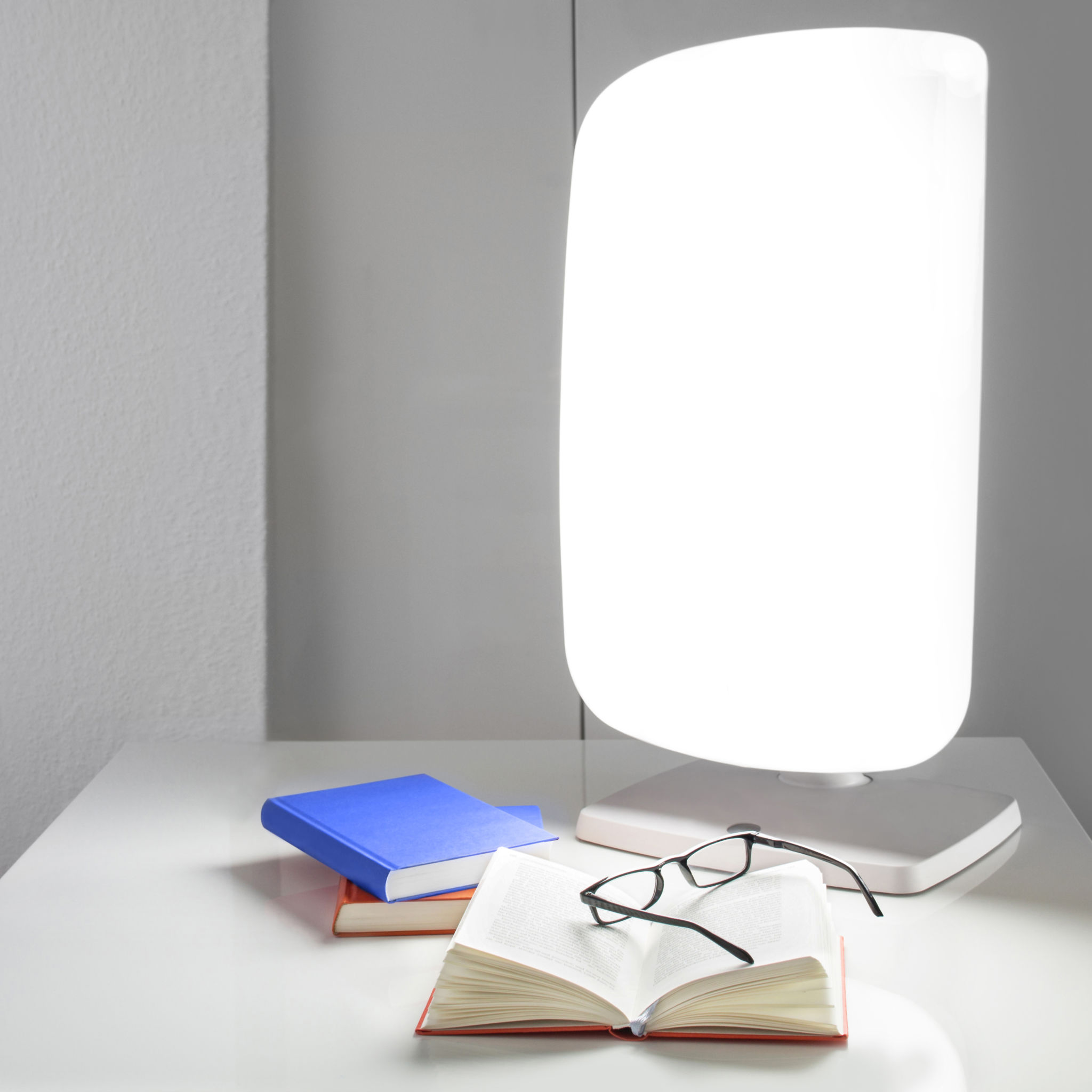
Light therapy is one of the most common treatments for SAD. It involves sitting in front of a special light box that mimics natural sunlight. This treatment can help regulate your body's internal clock and improve mood.
It's essential to use the light box as directed, typically for about 20 to 30 minutes each morning. Consult with a healthcare provider to determine the best approach.
Lifestyle Changes
Incorporating certain lifestyle changes can also make a significant difference. Consider the following:
- Exercise Regularly: Physical activity can boost serotonin levels and improve mood.
- Maintain a Healthy Diet: Eating a balanced diet rich in fruits, vegetables, and whole grains can support overall well-being.
- Get Outdoors: Whenever possible, spend time outside to soak up natural light.
- Stay Connected: Socializing with friends and family can provide support and reduce feelings of isolation.
Seeking Professional Help
If symptoms persist, seeking professional help is vital. Therapists and counselors can offer cognitive-behavioral therapy, which has proven effective for SAD. In some cases, medication may also be recommended.
Working with a healthcare provider can help tailor a treatment plan that's right for you, ensuring you receive the support needed to manage SAD effectively.