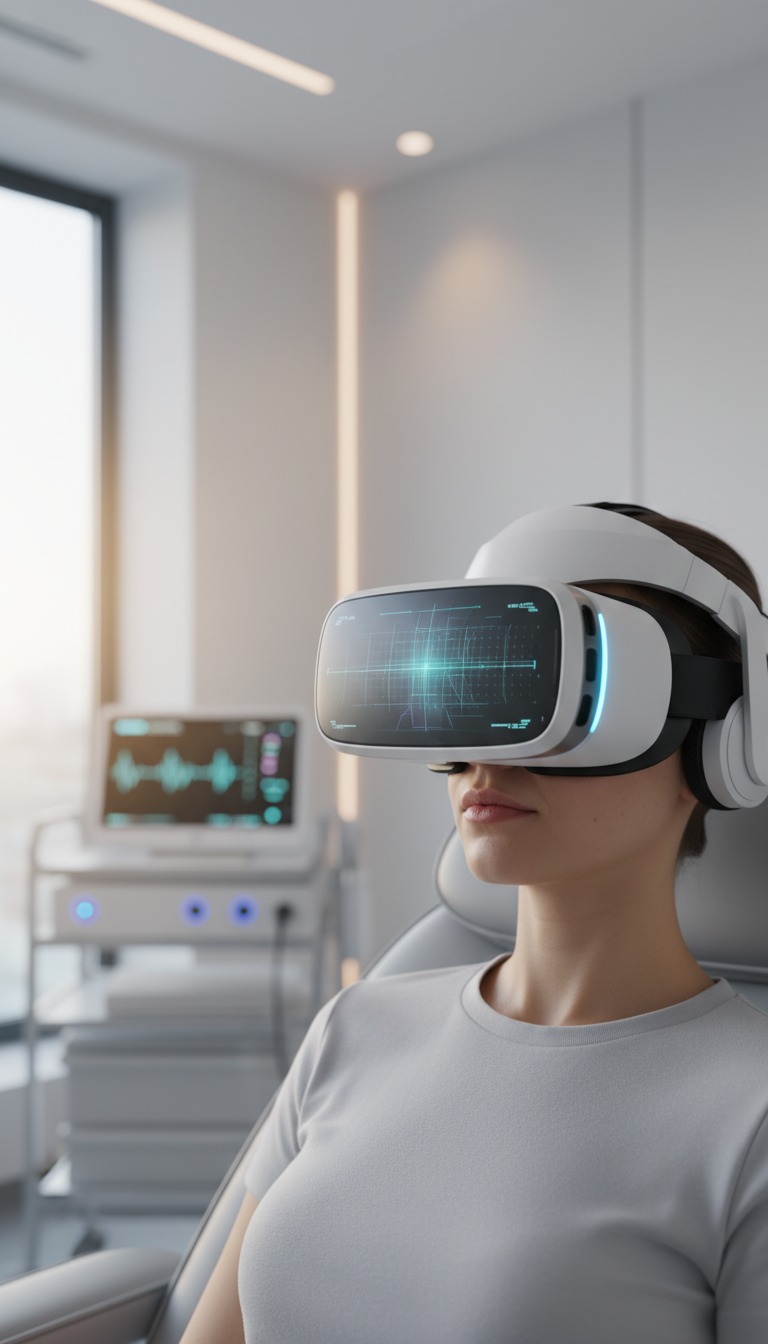
Myth-Busting: Common Misconceptions About Online Therapy
Understanding Online Therapy
As digital communication becomes increasingly integral to our lives, the popularity of online therapy has surged. Despite its growth, several misconceptions persist, potentially deterring individuals from seeking needed support. This post aims to debunk some of these common myths surrounding online therapy.

Myth 1: Online Therapy Is Less Effective
One prevalent misconception is that online therapy is not as effective as in-person therapy. However, numerous studies have demonstrated that online therapy can be just as beneficial. The key factors in successful therapy are the therapist's skills and the therapeutic relationship, both of which can thrive in a digital setting.
Moreover, online therapy offers unique advantages, such as increased accessibility and flexibility, which can enhance the therapeutic experience for many individuals. For those with mobility issues or living in remote areas, online therapy provides essential access to mental health services.

Myth 2: Online Therapy Lacks Privacy
Another common concern is privacy. People often worry that their sessions might not be confidential. Reputable online therapy platforms use secure, encrypted communication to ensure that all interactions remain private and confidential. Therapists adhere to strict ethical guidelines, maintaining the same level of confidentiality as in traditional settings.
Additionally, clients can attend sessions from the comfort and privacy of their own homes, which can reduce anxiety related to visiting a therapist's office and potentially encountering someone they know.
Myth 3: Online Therapy Is Impersonal
Some individuals believe that the lack of physical presence makes online therapy impersonal. However, many clients find that they can build strong, meaningful connections with their therapists online. The convenience of digital communication often allows for more frequent interactions, fostering a deeper therapeutic relationship.

In fact, some people feel more comfortable opening up in a virtual environment, where they can control their surroundings and feel more at ease. This can lead to more candid conversations and more effective therapy outcomes.
Myth 4: Online Therapy Is Only for Tech-Savvy Individuals
Many people assume that online therapy requires advanced technical skills, but most platforms are user-friendly and designed for individuals with varying levels of tech proficiency. Support is often available to help clients navigate any technological challenges they might face.
As long as you have a reliable internet connection and a device with a camera and microphone, you can easily participate in online therapy sessions without needing to be a tech expert.
The Future of Online Therapy
Online therapy is not a temporary solution; it is a growing field that continues to evolve. As technology advances, the quality and accessibility of online therapy services are likely to improve, making mental health support more inclusive and widespread.
By understanding and dispelling these myths, we can better appreciate the benefits of online therapy and encourage more people to seek the help they need without hesitation.