
Exploring the Rising Demand for Mental Wellness Apps: Complementing Traditional Therapy
Understanding the Surge in Mental Wellness Apps
In recent years, there has been a notable increase in the demand for mental wellness apps. These digital tools are designed to support mental health by providing resources that complement traditional therapy. This surge is driven by a combination of technological advancements, increased awareness of mental health issues, and a societal shift towards personal well-being.
The convenience of accessing mental health support through a smartphone is a significant factor in the rising popularity of these apps. They offer users the ability to engage in self-care practices anytime and anywhere, which is particularly appealing in today’s fast-paced world.
Why People Are Turning to Mental Wellness Apps
Several reasons contribute to the growing interest in mental wellness apps. First, they provide immediate assistance and are often more affordable than traditional therapy sessions. This accessibility is crucial for individuals who may not have the means or time to attend in-person therapy.
Moreover, these apps offer a degree of anonymity that can encourage more people to seek help. For those who might feel stigmatized or uncomfortable discussing their mental health in person, apps provide a discreet alternative.
The Role of Technology in Mental Health
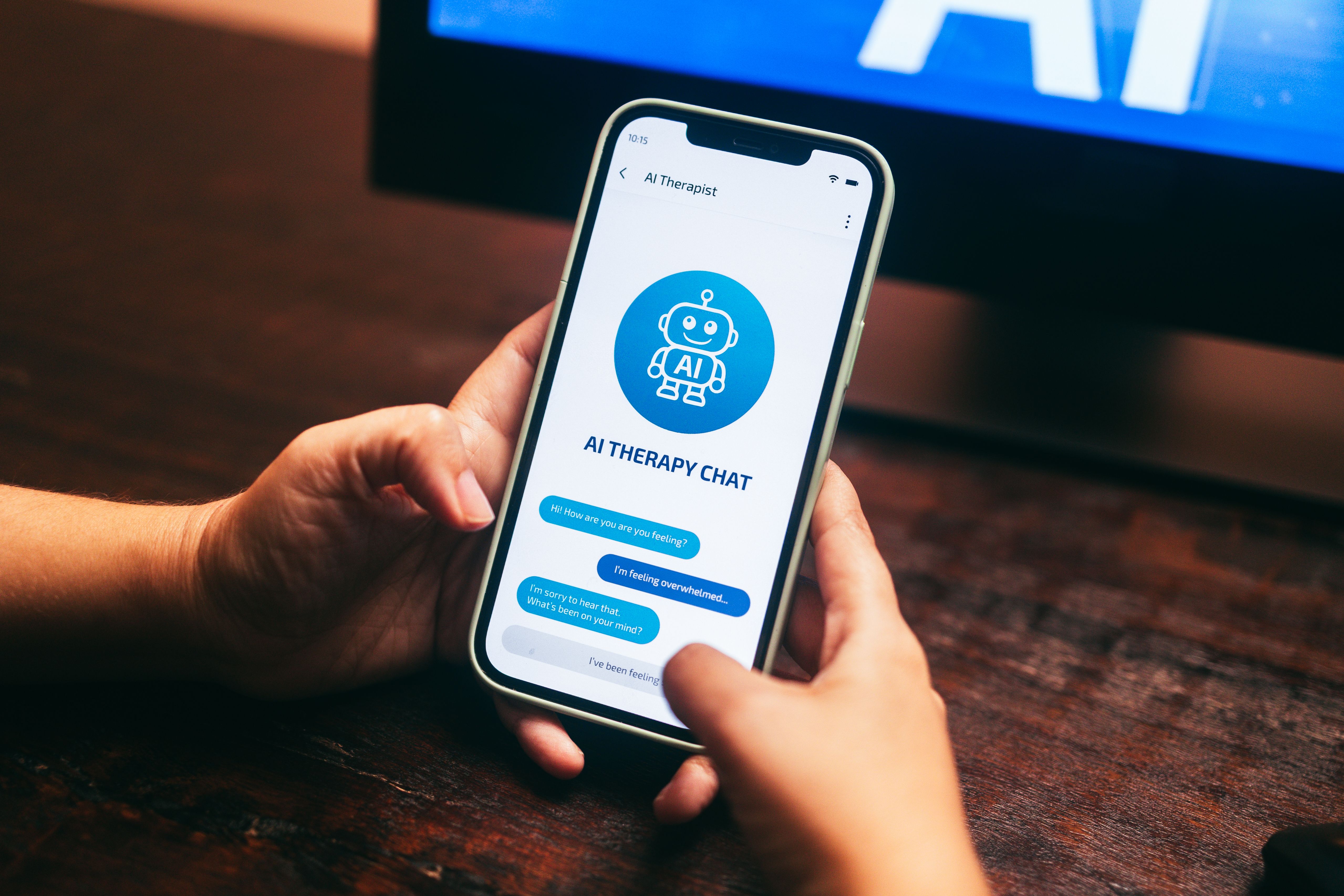
Technology plays a pivotal role in the development and success of mental wellness apps. Features such as AI-driven chatbots, mood tracking, and guided meditation help users manage their mental health effectively. These tools are designed to complement traditional therapy by providing ongoing support between sessions.

Furthermore, apps often include personalized content and reminders, which can help users stay engaged and committed to their mental health journey. This continuous interaction can significantly enhance the therapeutic process.
Complementing Traditional Therapy
While mental wellness apps offer numerous benefits, they are not intended to replace traditional therapy. Instead, they serve as a valuable supplementary tool. Therapists can recommend specific apps to their clients to help them practice skills learned in therapy, track their progress, and maintain mental wellness outside of sessions.
This integration of digital tools into therapeutic practices can lead to more comprehensive and effective mental health care. When used alongside traditional therapy, these apps can empower individuals to take a proactive role in their mental health.

Challenges and Considerations
Despite their advantages, mental wellness apps also present challenges. Ensuring user privacy and data security is paramount, as these apps often handle sensitive personal information. App developers must prioritize these aspects to maintain user trust.
Additionally, the effectiveness of mental wellness apps can vary. Users should look for apps that are evidence-based and reviewed by mental health professionals. This ensures that the tools offered are not only safe but also beneficial.
The Future of Mental Wellness Apps
The demand for mental wellness apps is likely to continue growing as more people recognize the importance of mental health. As technology evolves, so too will the capabilities of these apps, offering even more innovative solutions to support mental well-being.
By complementing traditional therapy, mental wellness apps have the potential to revolutionize the way we approach mental health care, making it more accessible and personalized for everyone.