
Exploring the Rise of Mental Wellness Apps and Their Impact on Traditional Therapy
In recent years, the mental wellness landscape has experienced a digital transformation, largely driven by the rise of mental wellness apps. These innovative tools are reshaping how individuals approach mental health, providing accessible resources at their fingertips. As more people seek convenient solutions, these apps are gaining popularity and influencing traditional therapy methods.
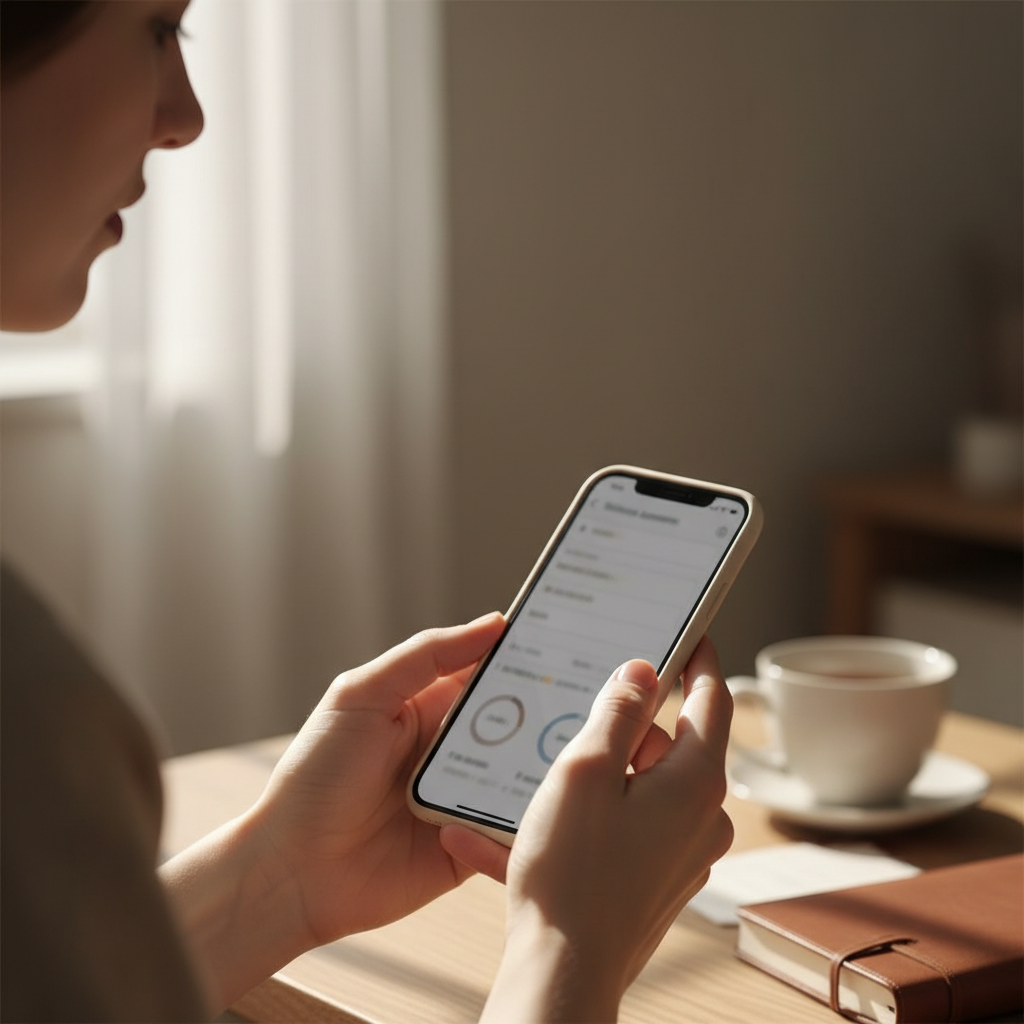
The Growing Popularity of Mental Wellness Apps
Mental wellness apps are increasingly becoming a staple in digital health solutions. Offering a variety of features such as guided meditation, mood tracking, and virtual therapy sessions, they cater to a wide range of mental health needs. Their appeal lies in their accessibility and affordability, making mental health support more attainable for many users.
These apps are particularly popular among younger generations who are more comfortable with technology. With smartphones becoming an integral part of daily life, access to mental wellness resources is now just a tap away. This ease of use has contributed significantly to their widespread adoption.
Key Features of Mental Wellness Apps
Mental wellness apps offer a multitude of features designed to support mental health. Some of the most common include:
- Guided Meditation and Mindfulness Exercises
- Mood and Habit Tracking
- Virtual Therapy Sessions
- Community Support Forums
These features enable users to engage in self-care practices and monitor their mental health consistently, fostering a proactive approach to mental wellness.

The Impact on Traditional Therapy
The rise of mental wellness apps has had a profound impact on traditional therapy. While these digital solutions offer convenience, they also raise questions about their effectiveness compared to in-person sessions. Many users appreciate the flexibility of apps, which allow them to seek help on their own schedule without the need for travel or appointments.
However, some mental health professionals express concerns about the lack of personalized care and the potential for users to self-diagnose or rely too heavily on these apps without professional guidance. It's crucial to understand that while apps can complement therapy, they are not a substitute for professional mental health treatment.
Integrating Apps with Traditional Therapy
Many therapists are now embracing technology by integrating mental wellness apps into their practice. This hybrid approach allows therapists to offer continuous support between sessions, providing clients with tools to manage their mental health more effectively. By combining the strengths of both digital and traditional methods, therapists can enhance the overall therapeutic experience.

Overall, the rise of mental wellness apps represents a significant shift in how individuals approach mental health care. While they offer numerous benefits, it's important for users to recognize their limitations and seek professional help when needed. By understanding the role these apps play in mental wellness, individuals can make informed decisions about their mental health journey.
As technology continues to evolve, the integration of digital solutions with traditional therapy will likely become more prevalent, paving the way for a more comprehensive approach to mental health care.