
Debunking Myths About Online Therapy: What You Need to Know
Understanding Online Therapy
Online therapy, also known as teletherapy or e-therapy, has gained popularity in recent years. However, various myths and misconceptions persist, often preventing people from taking advantage of this flexible and accessible form of mental health care.

Myth 1: Online Therapy Is Less Effective
A common misconception is that online therapy is less effective than traditional in-person sessions. Research shows that online therapy can be just as effective for many mental health issues, such as anxiety, depression, and PTSD. The key is finding a qualified therapist and using a platform that suits your needs.
Myth 2: Online Therapy Lacks Personal Connection
Some believe that virtual sessions cannot provide the same personal connection as face-to-face therapy. However, many clients find that the comfort of their own home allows them to open up more easily. Therapists are trained to create a supportive environment, even through a screen.

Accessibility and Convenience
One of the most significant advantages of online therapy is its accessibility. It eliminates the need for travel, making it easier for people in remote areas or those with mobility issues to access mental health care. Additionally, it offers flexible scheduling, accommodating various time zones and busy lifestyles.
- Eliminates travel time and costs
- Offers flexible scheduling options
- Accessible from anywhere with an internet connection
Myth 3: Online Therapy Is Not Secure
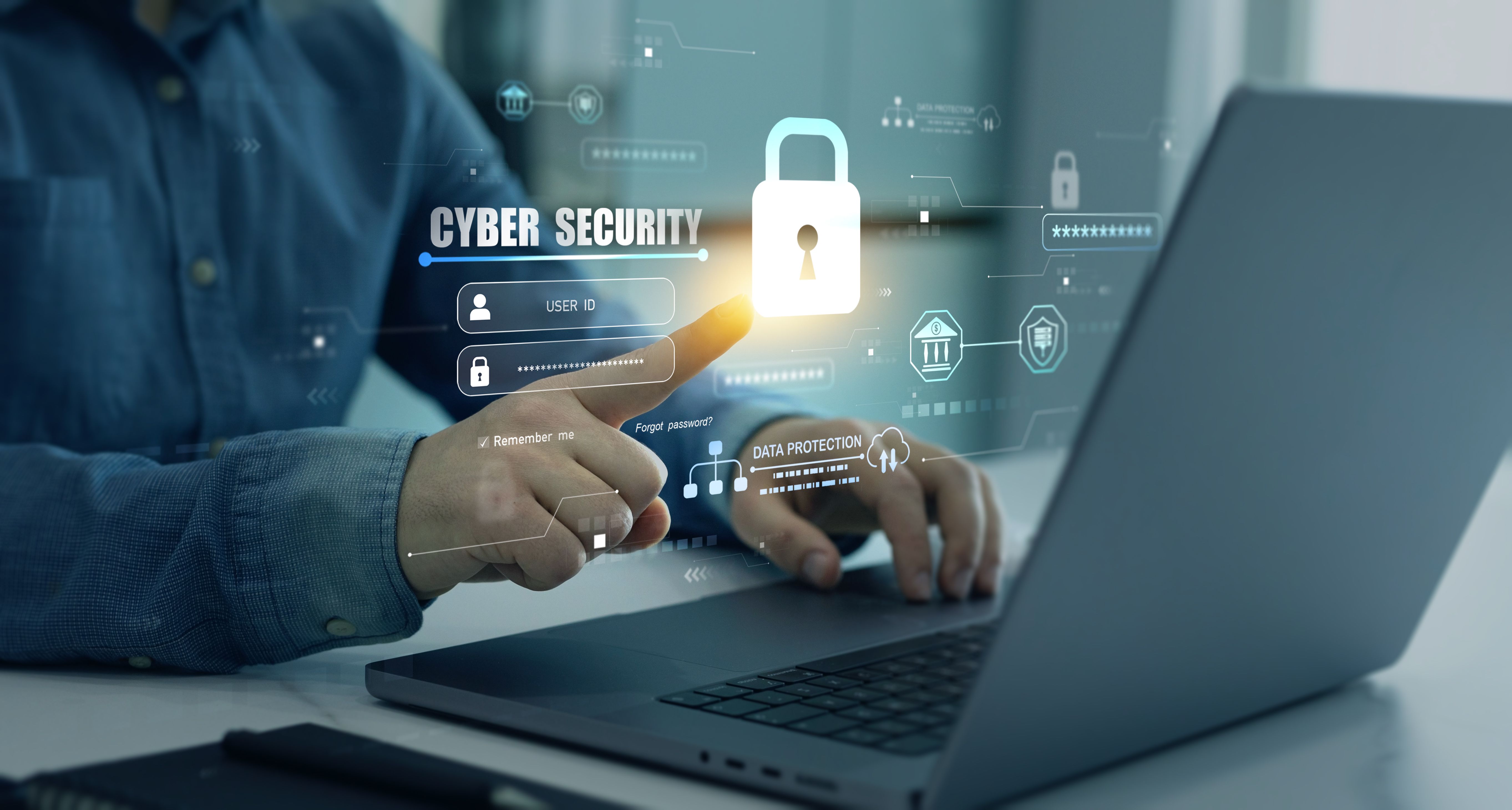
Concerns about privacy and security are another barrier for some considering online therapy. Reputable platforms use encryption and comply with privacy laws like HIPAA to ensure confidentiality. Always choose licensed professionals who prioritize your security.
Cost Considerations
Another misconception is that online therapy is always more expensive than in-person sessions. In reality, it can be more affordable due to reduced overhead costs for therapists. Additionally, many insurance plans now cover teletherapy, further increasing its affordability.
- Reduced overhead costs
- Insurance coverage options
- Potentially lower session fees
Myth 4: Online Therapy Is Only for Tech-Savvy Individuals
Some people worry that they need to be tech experts to benefit from online therapy. Most platforms are user-friendly, requiring only basic computer skills. Therapists often provide guidance to ensure clients can navigate the platform comfortably.

The Future of Therapy
As technology continues to advance, online therapy will likely become even more integrated into standard mental health care. It offers benefits that align with modern lifestyles, making mental health support more accessible than ever before. By debunking these myths, more people can experience the benefits of online therapy.