
Debunking Common Myths About Online Therapy
Understanding Online Therapy
Online therapy has become a popular alternative to traditional face-to-face sessions, providing flexibility and accessibility to people around the world. However, despite its growing popularity, several myths about online therapy persist, often causing hesitation among potential users. In this article, we aim to debunk these common misconceptions and provide clarity on what online therapy truly offers.

Myth 1: Online Therapy Is Not as Effective as In-Person Therapy
One of the most prevalent myths is that online therapy is less effective compared to traditional in-person sessions. However, numerous studies have shown that online therapy can be just as effective for a variety of mental health issues, including anxiety, depression, and PTSD. The key to successful therapy lies in the therapeutic relationship, not the medium through which it is delivered.
Research supports the efficacy of online therapy, demonstrating that clients often experience similar outcomes to those attending face-to-face sessions. The convenience and accessibility of online therapy can also contribute to better engagement and consistency in treatment.
Myth 2: Online Therapy Is Not Secure
Concerns about privacy and security are common when it comes to online therapy. However, reputable online therapy platforms adhere to strict confidentiality and data protection standards. Many use end-to-end encryption to ensure that client information remains private and secure.
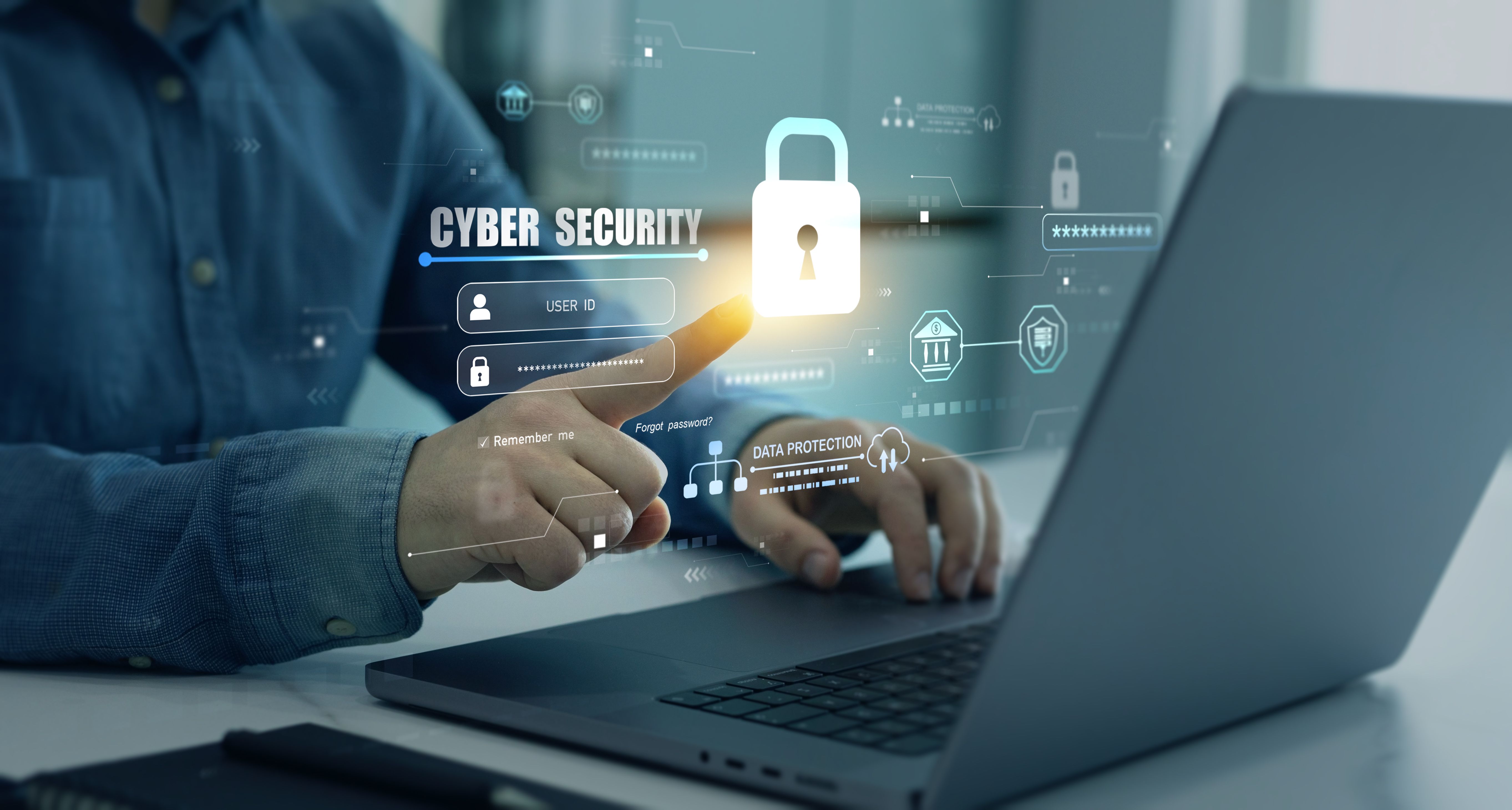
Before starting online therapy, it's important to choose a platform that complies with privacy laws such as HIPAA in the U.S. This ensures that your sessions are protected and your personal information remains confidential.
The Accessibility of Online Therapy
Another common myth is that online therapy is only for tech-savvy individuals or those living in remote areas. In reality, online therapy is accessible to anyone with an internet connection, making it a viable option for people from all walks of life. It eliminates geographical barriers, allowing clients to connect with therapists who might be located in different cities or even countries.
This accessibility can be especially beneficial for individuals with mobility issues or those who have difficulty scheduling in-person appointments due to work or family commitments.
Myth 3: Online Therapy Lacks Personal Connection
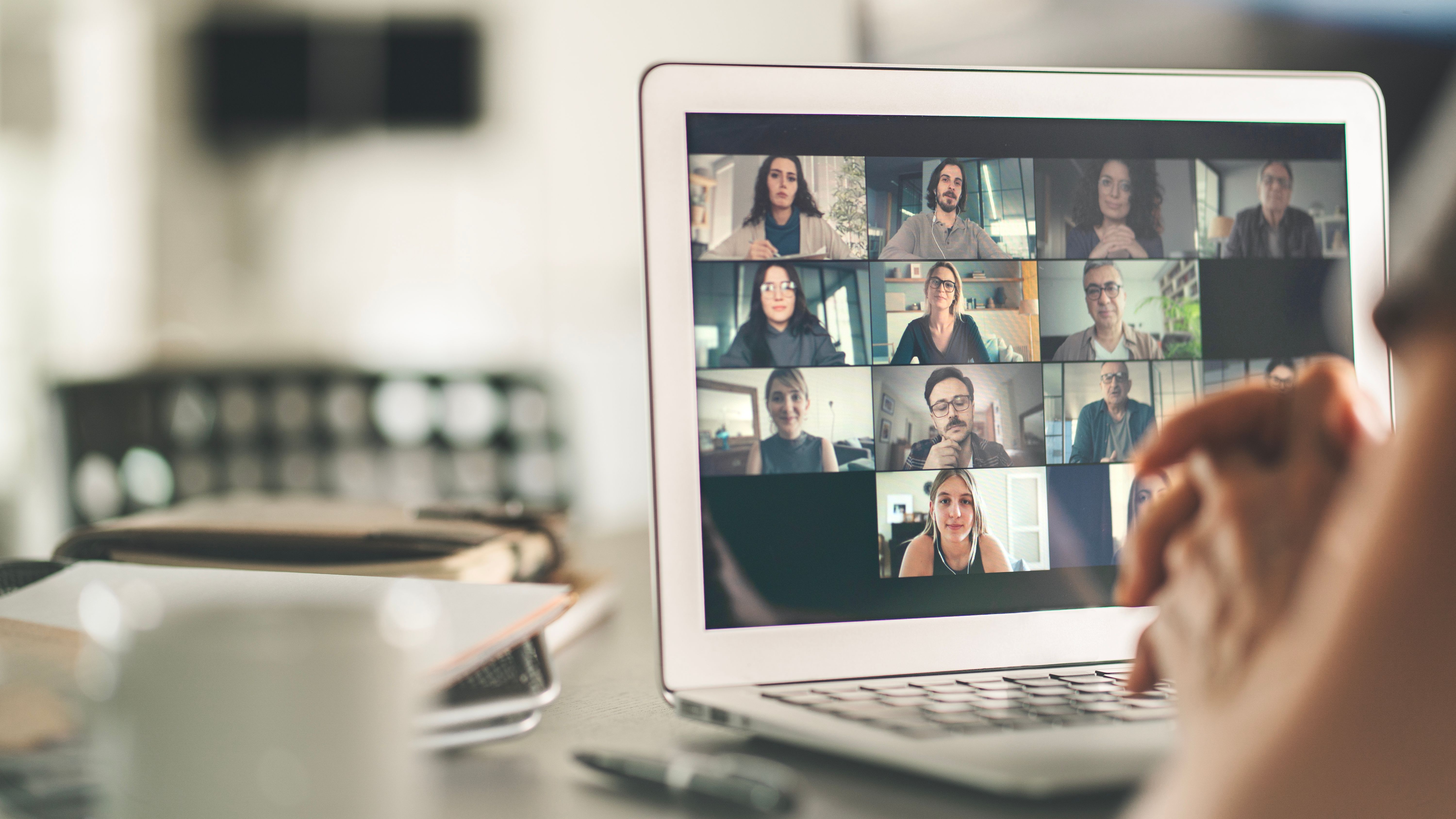
Some people worry that online therapy may feel impersonal or detached. However, many clients find that they can establish a strong rapport with their therapist through video, audio, or even text-based communication. Therapists trained in online delivery are skilled at fostering connection and engagement through digital platforms.
Additionally, the ability to attend sessions from the comfort of one's own home can make clients feel more relaxed and open, enhancing the therapeutic process.
Conclusion
Online therapy offers a flexible and effective alternative to traditional therapy, with numerous benefits that debunk the myths of ineffectiveness, insecurity, and lack of personal connection. As technology continues to evolve, so does the potential for online therapy to reach and help more individuals in need.
By understanding and addressing these common myths, we can better appreciate the true value of online therapy and its role in the future of mental health care.